
A local guide
A Complete National Anzac Centre Visitor Guide in Albany
Albany, Western Australia, holds one of the country’s most moving war stories, and nowhere tells it better than the National Anzac Centre Albany. This guide covers everything you need before you go: tickets, opening...
Published 5 October 2026
Albany, Western Australia, holds one of the country’s most moving war stories, and nowhere tells it better than the National Anzac Centre Albany. This guide covers everything you need before you go: tickets, opening hours, what’s inside, and the historic sites that sit right alongside it.
What Is the National Anzac Centre?
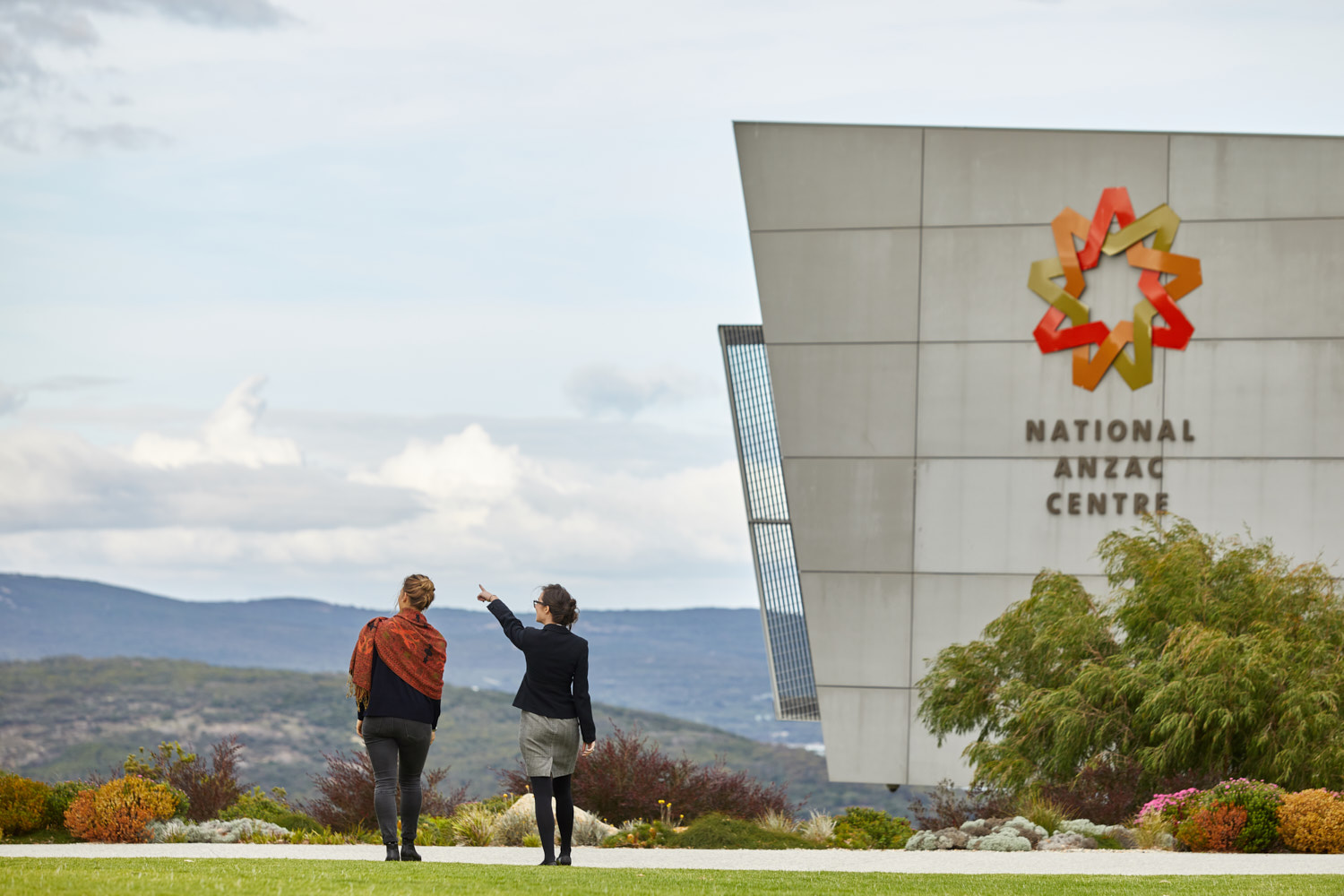
The National Anzac Centre opened on 1 November 2014, one hundred years to the day after the first Anzac convoy left Albany for the First World War. It sits inside the heritage listed Princess Royal Fortress, high on Mount Adelaide, overlooking the water where the convoys gathered. Across the First and Second convoys, 41,265 Australians and New Zealanders sailed from King George Sound in November and December 1914.
Albany was the last piece of Australian soil many of those men and women ever saw. That single fact shapes everything about the museum. It isn’t a dusty walk-through of dates and battle maps. It’s personal.
Albany’s role in the story runs deeper than most visitors expect. Its deep, sheltered harbour made the town Western Australia’s oldest European settlement, and the Princess Royal Fortress guarding that harbour is the reason an entire fleet could gather here safely. Locals still mark the departure every Anzac Day, and the fort grounds carry a quiet weight that’s hard to describe until you’ve stood there yourself, looking out over the same water the ships once crossed.
Unlike a typical war museum, the Anzac Centre hands you a card at the door. On it is one of 32 real service men and women. You follow that person’s story through interactive kiosks as you move through the building, from recruitment and training to the convoys, Gallipoli, the Middle East and the Western Front. Most visitors don’t discover their character’s fate until the very end, and that’s by design.
Planning Your Visit
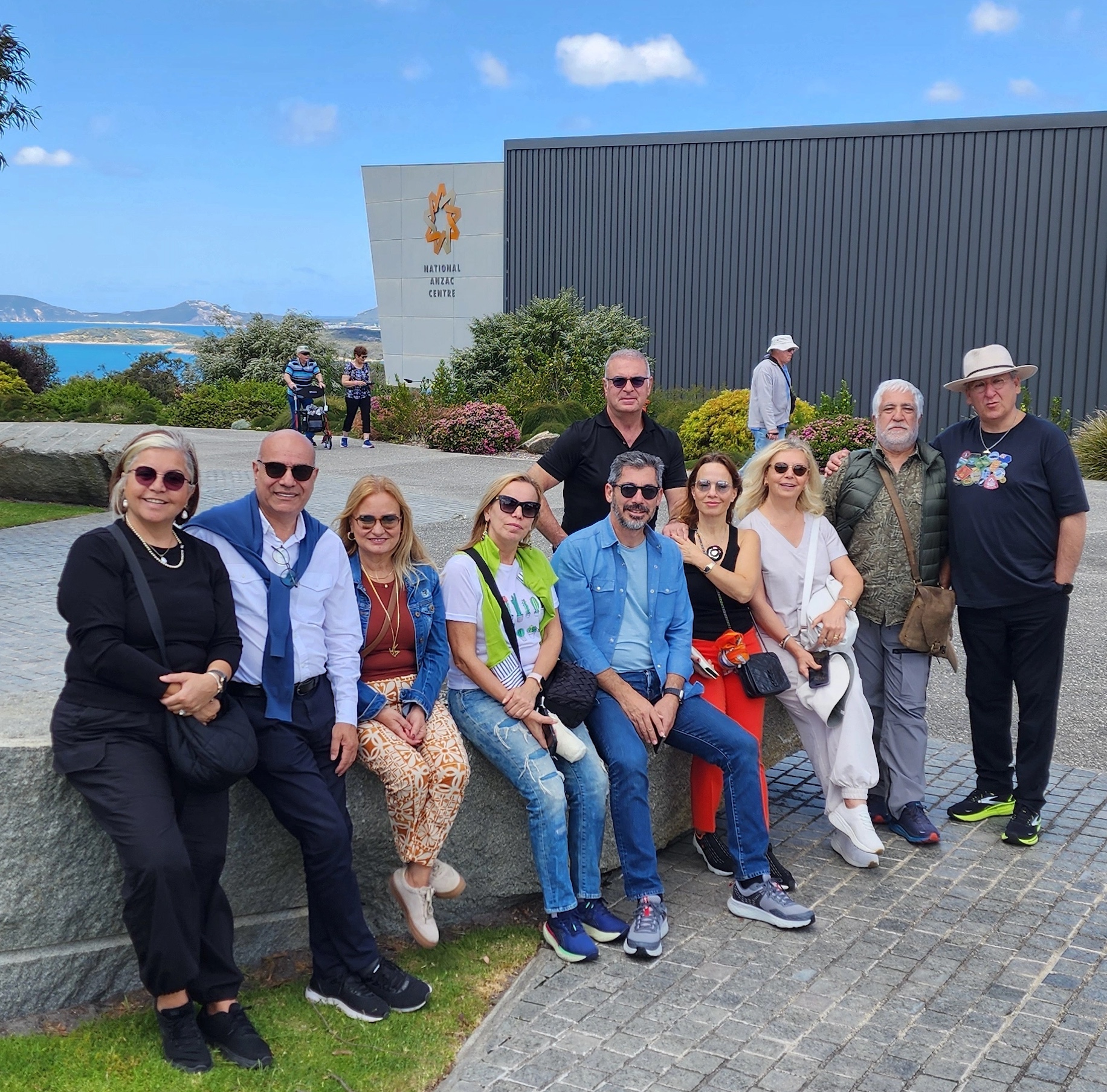
A little planning goes a long way here. Most people build their Albany National Anzac Centre stop into a half-day, pairing the museum with a walk around the surrounding fort grounds. Give yourself at least two hours inside, longer if the weather is kind and you want to explore outside too.
If you would rather someone else handled the driving and the commentary, our Albany History + Highlights tourincludes entry to the centre and takes in other historic sites and memorials on the same trip. Here are the practical details either way.
National Anzac Centre Tickets and Pricing
National Anzac Centre tickets can be bought online, at the front counter inside the centre, or at The Forts Store. There is no timed entry, so pre-booking is optional. If the centre happens to be at capacity, the wait is usually only five to ten minutes.
One point is worth being clear about, because plenty of guides get it wrong. The National Anzac Centre entry fee covers the interpretive experience inside the centre only. The Princess Royal Fortress grounds, the gun emplacements, the other exhibits and the wider Albany Heritage Park are all free to walk, with gold coin donations encouraged at the Barracks building.
Rates are reviewed from time to time, so confirm the current Anzac Centre Albany price, and the broader National Anzac Centre cost, on the official site before you travel. The discounts on offer are:
- Concession rates for eligible card holders.
- Family pass covering two adults and two children aged 5 to 15.
- 50 per cent off for serving and ex-service personnel with a valid service ID or an Australian or New Zealand Department of Veterans’ Affairs card.
- Free entry for Australian and New Zealand serving personnel in uniform.
Opening Hours
Anzac Museum Albany opening hours run daily from 9am to 5pm, with last entry at 4pm. The centre stays open on public holidays and closes only on Christmas Day.
Hours differ across the site, which catches people out. The Forts Store and the Princess Royal Fortress buildings close at 4pm, an hour before the centre does, so work those in first.
Arrive earlier in the day if you can. The light through the floor to ceiling windows is best in the morning, and the car park fills by midday during school holidays and the Anzac Day period in April.
Spring and autumn tend to be the most comfortable seasons for exploring the outdoor sections of the fort, since Albany’s coastal winds pick up through winter. Wildflower season, which runs from late August through to December and peaks between September and November, is a lovely time to combine your visit with the walking trails around Albany Heritage Park.
National Anzac Centre Tickets and Pricing
National Anzac Centre tickets can be bought online, at the front counter inside the centre, or at The Forts Store. There is no timed entry, so pre-booking is optional. If the centre happens to be at capacity, the wait is usually only five to ten minutes.
One point is worth being clear about, because plenty of guides get it wrong. The National Anzac Centre entry fee covers the interpretive experience inside the centre only. The Princess Royal Fortress grounds, the gun emplacements, the other exhibits and the wider Albany Heritage Park are all free to walk, with gold coin donations encouraged at the Barracks building.
Rates are reviewed from time to time, so confirm the current Anzac Centre Albany price, and the broader National Anzac Centre cost, on the official site before you travel. The discounts on offer are:
- Concession rates for eligible card holders.
- Family pass covering two adults and two children aged 5 to 15.
- 50 per cent off for serving and ex-service personnel with a valid service ID or an Australian or New Zealand Department of Veterans’ Affairs card.
- Free entry for Australian and New Zealand serving personnel in uniform.
Opening Hours
The Anzac Museum Albany opening hours run daily from 9am to 5pm, with the last entry at 4pm. The centre stays open on public holidays and closes only on Christmas Day.
Hours differ across the site, which catches people out. The Forts Store and the Princess Royal Fortress buildings close at 4pm, an hour before the centre does, so work those in first.
Arrive earlier in the day if you can. The light through the floor-to-ceiling windows is best in the morning, and the car park fills by midday during school holidays and the Anzac Day period in April.
Spring and autumn tend to be the most comfortable seasons for exploring the outdoor sections of the fort, since Albany’s coastal winds pick up through winter. Wildflower season, which runs from late August through to December and peaks between September and November, is a lovely time to combine your visit with the walking trails around Albany Heritage Park.
Getting There and the Wider Heritage Precinct
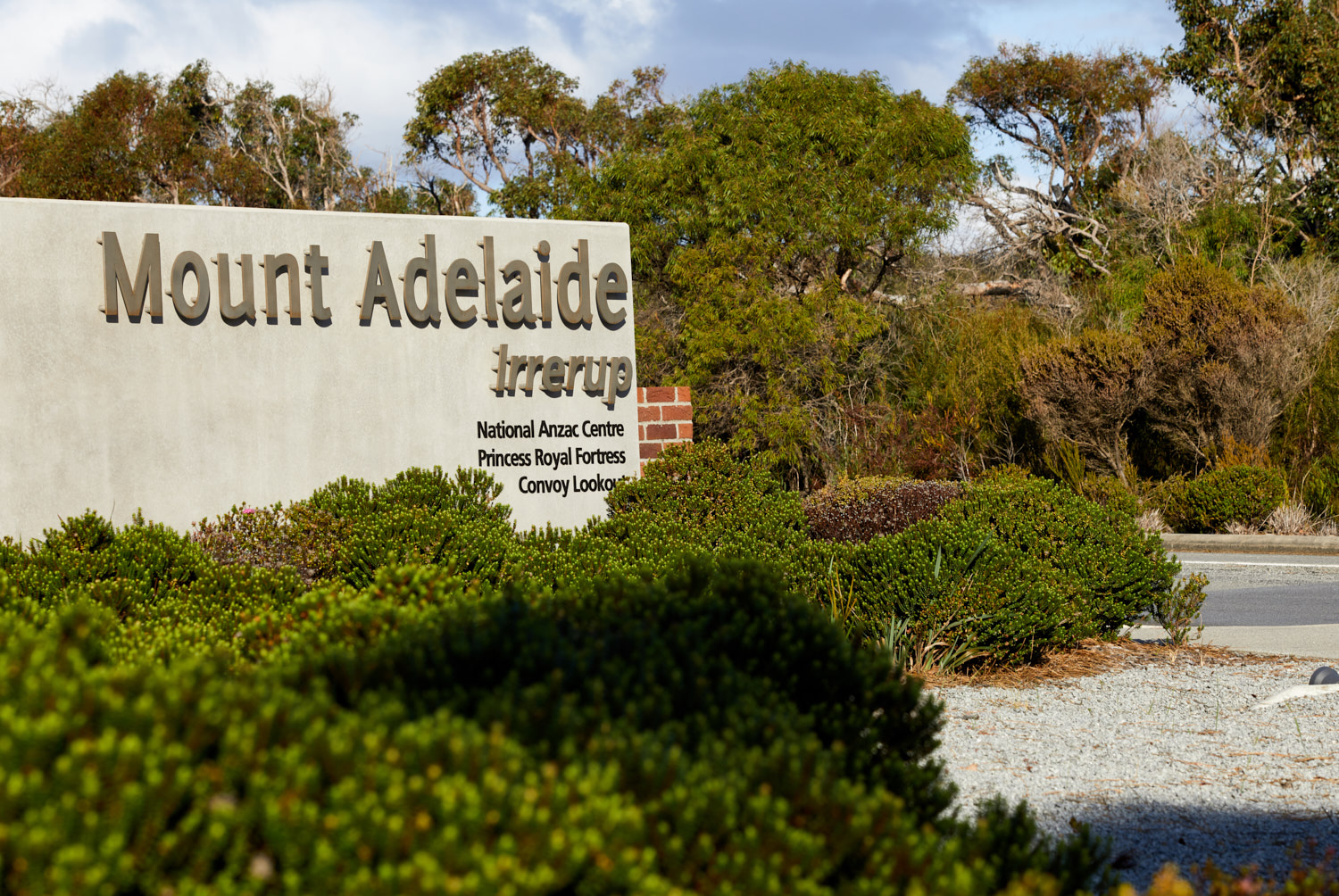
The centre sits at 70 Forts Road, about five minutes from central Albany by car, with free on-site parking. Public buses also stop nearby, though timetables are worth checking in advance if you do not have your own transport. Cruise ship passengershave it easier than most guides suggest. A free shuttle runs from the Port of Albany to the Albany Visitor Centre at 221 York Street in around eight minutes, and the walk into the town centre takes roughly 20 minutes on paved paths.
That route drops you onto Stirling Terrace and the historic streets, where much of Albany’s early settlement story is still standing, so build in half an hour either side of your visit if you can.
Once you are at the fort, you are standing in the middle of a much bigger story. Albany Heritage Park covers around 250 hectares across Mount Clarence and Mount Adelaide, and a single visit opens the door to several linked sites within easy walking distance, including the Albany War Memorial itself:
- Princess Royal Fortress Military Museum - opened in 1893 as Australia’s first federal defence project, eight years before Federation. Original gun batteries, coastal guns, underground bunkers and the barracks where officers lived and worked.
- Convoy Lookout - a paved walk on Mount Adelaide looking straight out over King George Sound. It is steep but wheelchair-friendly with a bit of help.
- Albany War Memorial Mount Clarence - the Desert Mounted Corps Memorial, reached by a commemorative staircase from the car park, with sweeping views over the harbour and township below. Accessible bays sit besides the memorial via a sealed service road.
- Padre White Lookout - a steel walkway at the top of Mount Clarence, marking where Padre White stood in 1930 after leading a pilgrimage up from St John’s Church. It is claimed to be Australia’s first Anzac Day dawn service. The views take in King George Sound, Princess Royal Harbour and the Albany city centre.
The Desert Mounted Corps Memorial has a history worth getting right, because it is often misreported. The original was erected at Port Said in Egypt and unveiled on 23 November 1932. It was irreparably damaged during the Suez crisis in 1956. The salvaged granite was shipped to Australia, the statue was recast, and Prime Minister Sir Robert Menzies unveiled the memorial on Mount Clarence on 11 October 1964. Bullet marks from Suez are still visible on the granite blocks.
Locals often lump these sites together and just call the whole park the war museum Albany is known for. Whatever you call it, allow half a day if you want to see the full precinct properly, not just the main building.
What You'll Experience Inside
The Anzac Albany story begins with recruitment posters and photographs of young men queuing to enlist, most of them barely out of school. From there, the exhibition follows the convoys’ departure through Egypt’s training camps and on to the beaches of Gallipoli, then the long, grinding years on the Western Front.
The Albany Anzacs left from this exact harbour, and the centre doesn’t let you forget it. Large windows frame King George Sound at several points through the building, tying the exhibits back to the water outside. It’s one of the more effective design choices in an Australian museum, and it’s also where most National Anzac Centre photos are taken.
The centre is sometimes still called the Anzac Memorial Albany, an older name for the same site. Either name points to the same building. The tribute is felt most in the Pool of Reflection, which records the names of all 41,265 Australians and New Zealanders who left on the First and Second convoys. Names appear on a rotating schedule, and the centre runs an online search tool so you can find out when a particular name is due to show. Look it up before you travel if there is someone you want to see.
Is It Worth the Visit?
National Anzac Centre reviews are consistently strong, and it’s easy to see why. The personal storytelling format makes military history feel immediate rather than distant. The setting, a working historic fort with genuine ocean views, adds weight that a standard museum building simply can’t match.
Some visitors search for it as the National Anzac Museum Albany, though its official name has always been the National Anzac Centre. Either way you search for it, you’ll land in the right place.
Visiting During Albany 2026
There is an extra reason to come this year. Albany is hosting Western Australia’s first bicentenary in 2026, marking the first place where Aboriginal and British people began living together on the western side of Australia. A year-long programme of cultural events runs alongside the usual calendar. The milestone sits on Menang Noongar Boodja, country with roots far older than two centuries. Check what is on before you lock in dates, since the bigger events fill accommodation quickly.
Accessibility and Facilities
The National Anzac Centre has a step free entrance and no interior steps, so the main exhibition is straightforward in a wheelchair. Around the rest of the site, access varies:
- Inside the centre - step free entry, an accessible toilet and change room, ACROD parking, information provided in audio format, and the Companion Card is accepted.
- Main Barracks Gallery and HMAS Perth exhibit - accessible, with ramps and wide doors.
- Older fortress buildings - difficult in a wheelchair, given their heritage nature.
For food and facilities, the Garrison Restaurant and Bar sits on the fortress site with one of the best views in Albany and takes bookings through its own website. The Forts Store, in what was once the Military Institute, stocks military history titles, memorabilia and giftware. Picnic tables and barbeques sit under a covered shelter behind the store if you would rather bring your own lunch, and there is a water fountain outside. Prams are welcome, and staff are used to helping families work through the exhibits at a child’s pace.
Quick Tips for Your Visit
- Wear comfortable shoes. The fort grounds have uneven paths and some steps.
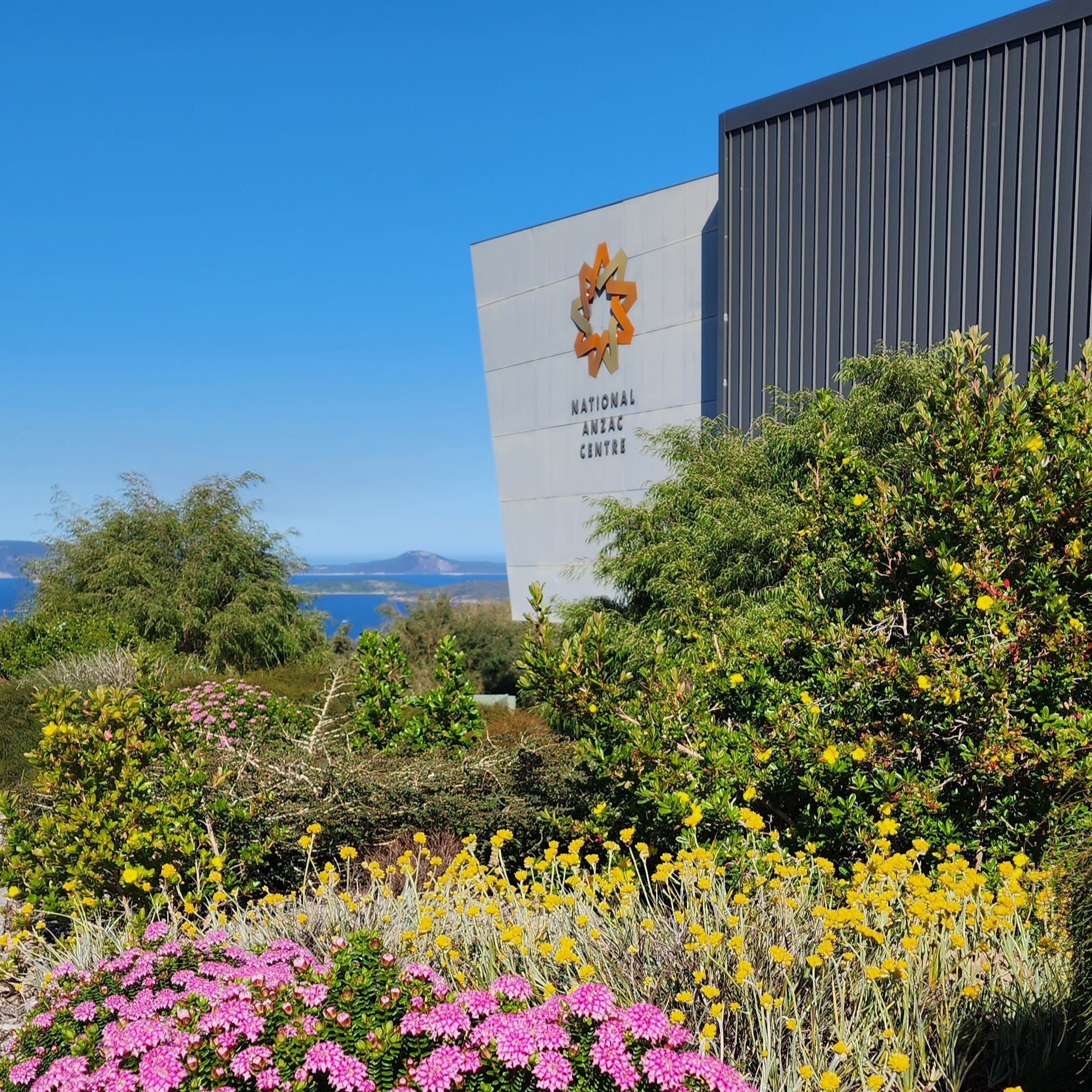
- Bring a jacket, even in summer. Mount Adelaide catches the wind straight off the Southern Ocean.
- Allow two hours for the museum alone, and closer to half a day if you’re adding the fort grounds and lookouts.
- Check the light. Morning visits get the best natural light through the main windows.
- Do The Forts Store and the fortress buildings before 4pm. Only the centre itself stays open until 5pm.
- Search the Pool of Reflection online first if you have a relative among the 41,265.
- Visit around 25 April if you can. Albany’s dawn service is held at the Desert Mounted Corps Memorial on Mount Clarence and is one of the most significant in the country.
Round It Out With a Guided Tour
If you would rather have the history explained as you go, four of our tours work well around a visit to the fort. Each one departs from Albany.
History + Highlights is the natural fit, since your entry to the National Anzac Centre is already covered. The other three sit comfortably either side of a morning at the centre.
Final Thoughts
The National Anzac Centre Albany isn’t a quick tick-box stop. Give it the time it deserves, and pair it with a walk around Mount Clarence and Mount Adelaide while you’re up there. Few places in Australia connect a nation’s history to its landscape quite this directly, and Albany has been quietly proud of it ever since the doors opened.
Whether you visit independently or join us for a guided tour through the precinct, come with a bit of time up your sleeve. The stories here stay with people long after they’ve left the harbour behind.
Got questions about timing, tickets, or fitting this into a longer Albany itinerary? Contact usand we’ll help you plan it.
See Albany with a local
Turn the places in this guide into a connected, thoughtfully hosted day.
Explore Albany tours