
A local guide
Walking Through Colour: A Wildflower Bushwalk on Albany’s Coastal Trails
There’s a particular kind of quiet that settles over the Torndirrup coast once spring arrives. The wind still pushes through the coastal heath. The ocean still pounds against the granite. But underfoot, everything has...
Published 5 October 2026
There’s a particular kind of quiet that settles over the Torndirrup coast once spring arrives. The wind still pushes through the coastal heath. The ocean still pounds against the granite. But underfoot, everything has changed. Where you might have walked past bare scrub in June, you now step around orchids the size of a thumbnail and brush past banksias heavy with nectar. This is what a wildflower bushwalk near Albany feels like. Not a drive-by view from a lookout, but a slow, close encounter with some of the rarest flora on Earth. To see more of the region’s incredible floral displays, consider timing your visit with the annual Bloom Festival.
If you’ve read our full guide to Albany’s wildflower season, you’ll already know the when and where. This one is about the walk itself: the trail that carries you from car park to coastline through some of the richest wildflower country in the Great Southern, and the plants you’ll actually meet on the way.
The Trail Underfoot
The walk out towards Point Possession and Uredale, on the Torndirrup peninsula south of Albany, is a study in contrasts. You start in low coastal heath, thick with banksia and hakea, before the track opens onto granite platforms scoured smooth by wind and salt. From there it drops towards white sand and the blue sweep of King George Sound.
It’s a Grade 4 walk. Expect sand, rock, the odd boardwarded section, and enough granite to remind you why this coastline is famous for it. None of it is technical, but it rewards a reasonable level of fitness and a pair of shoes with real grip. Allow a few hours if you want to stop often, and you will want to stop often. Every second corner seems to hide something new in flower.
The Blooms You'll Meet Along the Way
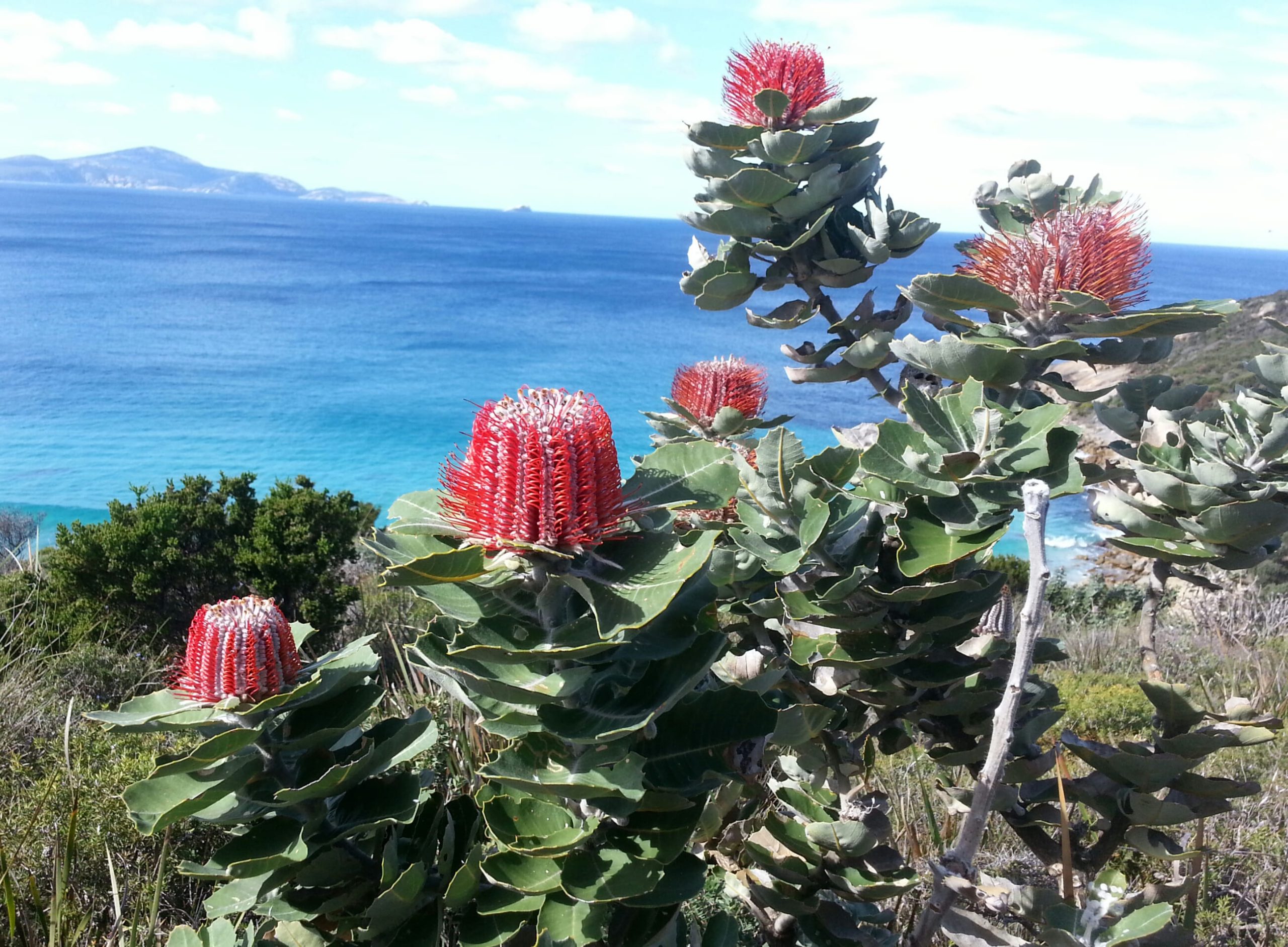
Close to the car park, the coastal banksias set the scene. Their cone-like flower spikes, thick with nectar, draw honeyeaters that dart between bushes so quickly you’ll hear them before you see them. Further along, keep an eye out for the deep red spikes of Banksia coccinea , the scarlet banksia, one of the most striking shrubs in the entire region.
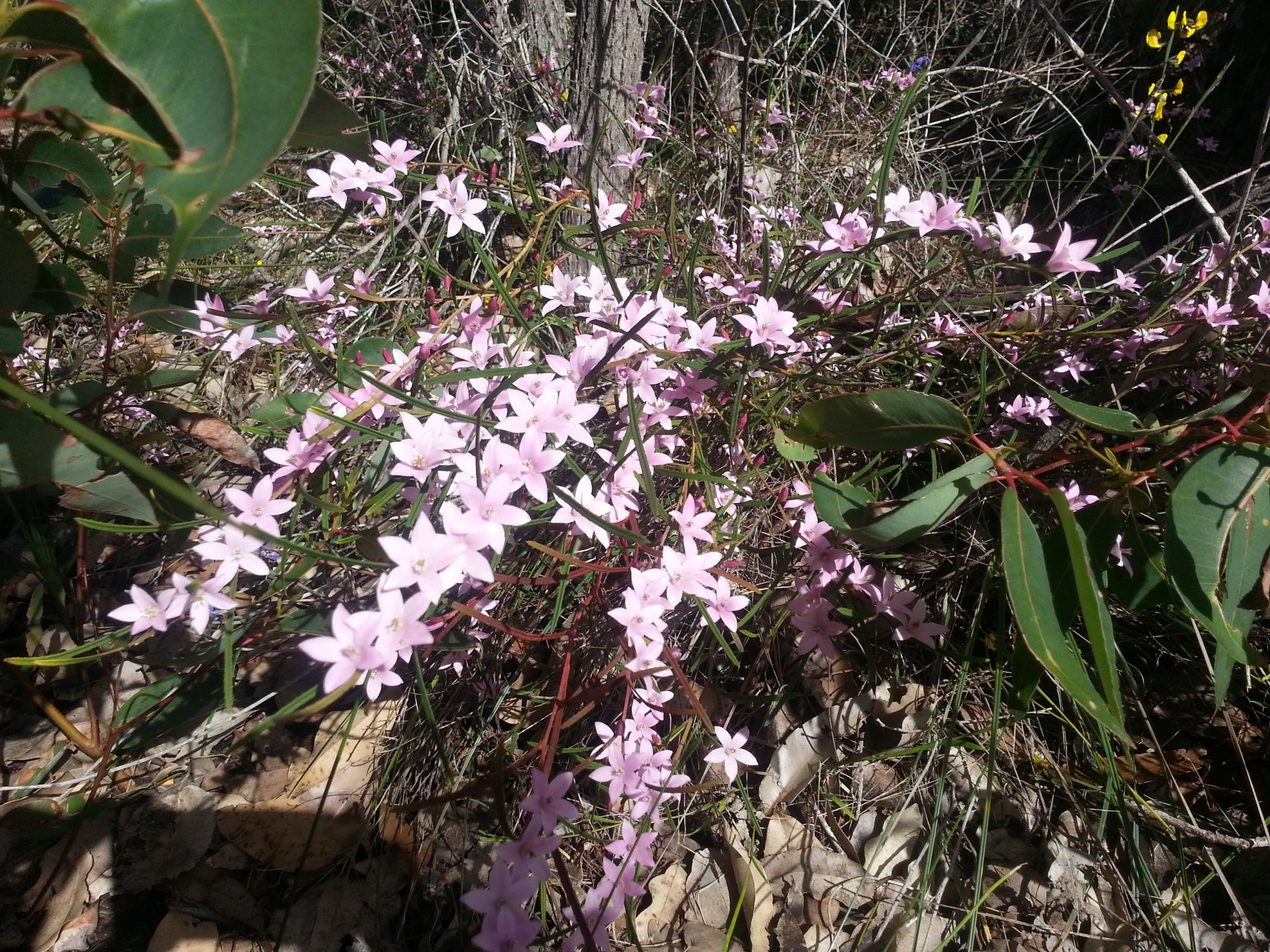
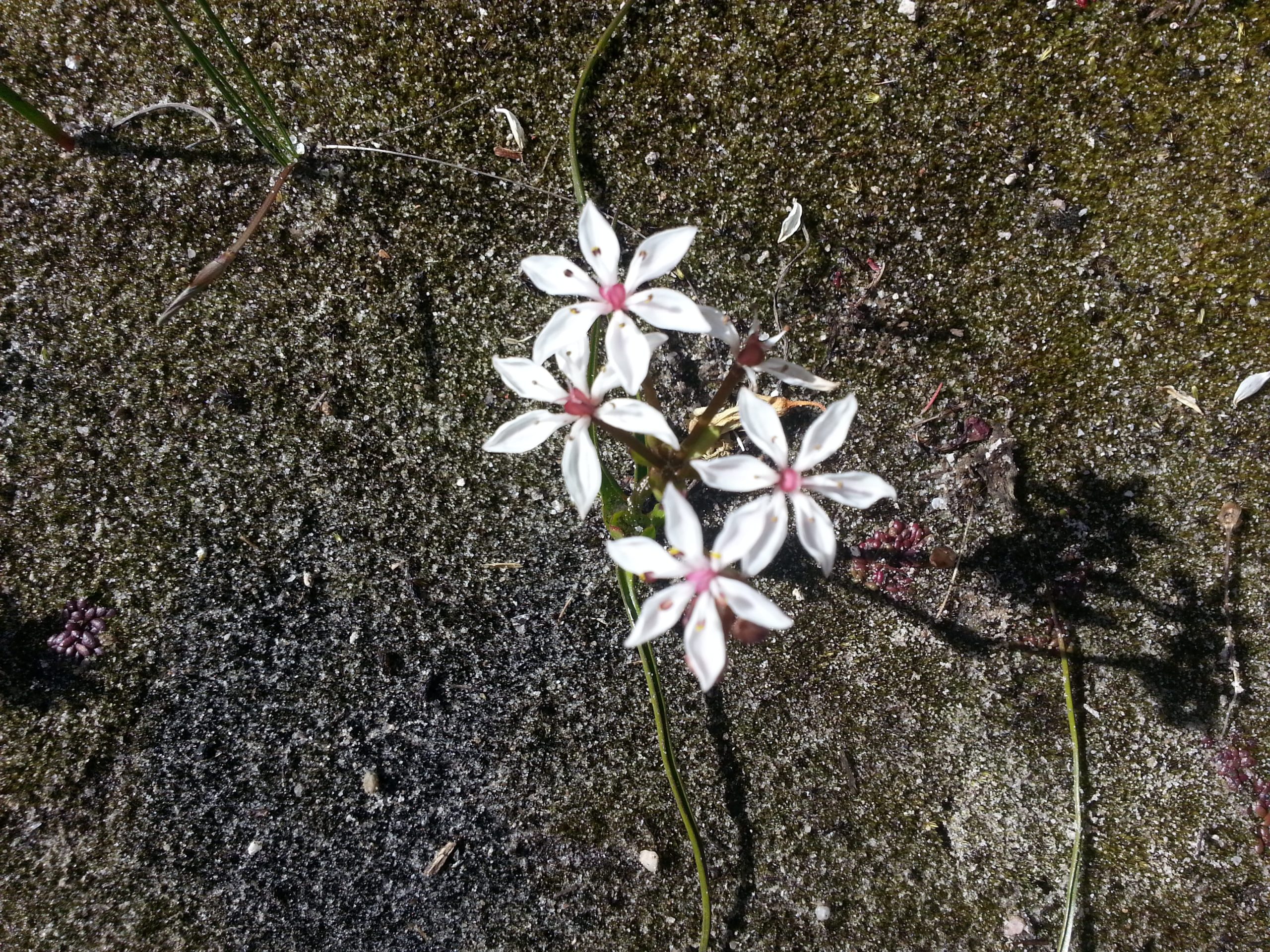
Get down closer to the ground and the real treasure hunt begins. Purple enamel orchids grow low and easy to miss, their small petals glossy as their name suggests. Cowslip orchids follow soon after, pale yellow and freckled, often growing in loose clusters where the soil holds a little more moisture. If you’re patient and a touch lucky, you might spot a Queen of Sheba orchid, one of the most photographed wildflowers in Western Australia and a genuine highlight for anyone who finds one unassisted.
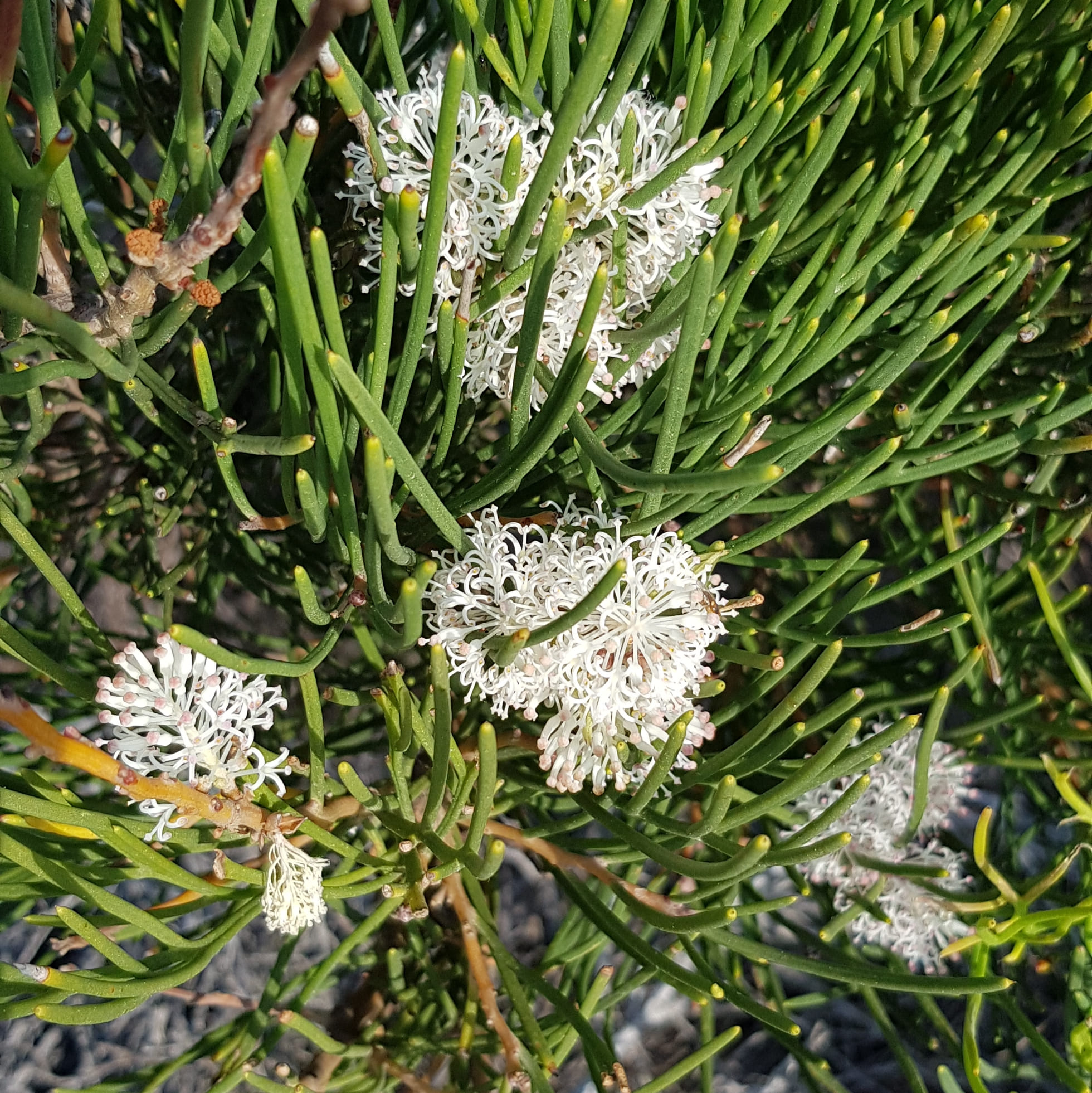
As the track climbs onto exposed granite, the plant life shifts again. Hardy hakeas with their cream, spidery flowers cling to cracks in the rock. Sapphire fan flowers spread low across sandy patches, their blue-purple blooms almost too vivid to be real against the grey granite. Higher still, red leschenaultia adds a splash of colour that photographers chase for hours, its slender flowers catching the light best in the early morning or late afternoon.
None of these plants shout for attention the way a garden bed might. They reward slow walking and a willingness to look down as often as you look out to sea.
Best Time to Lace Up Your Boots
The coastal heath around Torndirrup typically comes alive from late August, building to its best display through September and October. Some species linger into November, particularly in sheltered gullies that hold moisture longer than the exposed granite. For a month-by-month breakdown across the wider region, our wildflower season guidecovers the detail. For this particular walk, aim for a still, sunny morning. The wind off the Southern Ocean can be sharp even in spring, and calm conditions make it far easier to spot small ground orchids without them nodding out of view.
What to Bring
Pack light but pack smart. Good walking shoes matter more than anything else on this track, given the mix of sand and granite. A hat and sunscreen are non-negotiable, even on an overcast day, since the coastal light reflects hard off the rock. Bring water, and consider a small pair of binoculars if you’re keen on the birdlife as well as the flowers. A macro lens or a phone with a decent close-up setting will do more for your photos than any expensive camera body.
Why Walk It With a Guide
Independent walkers do this trail all the time, and it’s a genuinely rewarding walk on your own. But a local guide changes what you actually see. Orchids in particular are easy to walk straight past unless you know roughly where to look and what a young plant looks like before it flowers. Our guides also know which gullies are holding onto last week’s rain, and therefore which patches are worth a slower look that day.
We run guided coastal bushwalksthrough this same stretch of Torndirrup, pairing the walking with a bit of local history and, more often than not, a decent cup of tea at the end. It’s the kind of morning that turns “nice walk” into “best thing we did in Albany.”
Plan Your Wildflower Walk
Torndirrup National Park is managed by the Department of Biodiversity, Conservation and Attractions, and it’s worth checking current track conditions before you head out, particularly after heavy rain. The Wildflower Society of Western Australiaalso publishes seasonal updates if you want to track how the season is shaping up before you book your trip.
Whether you walk it yourself or join one of our guided experiences, this stretch of coast rewards anyone willing to slow down and look closely. Browse our full range of Albany toursto find the wildflower walk that suits your pace, or get in touch and we’ll help you plan the right morning for it.
See Albany with a local
Turn the places in this guide into a connected, thoughtfully hosted day.
Explore Albany tours